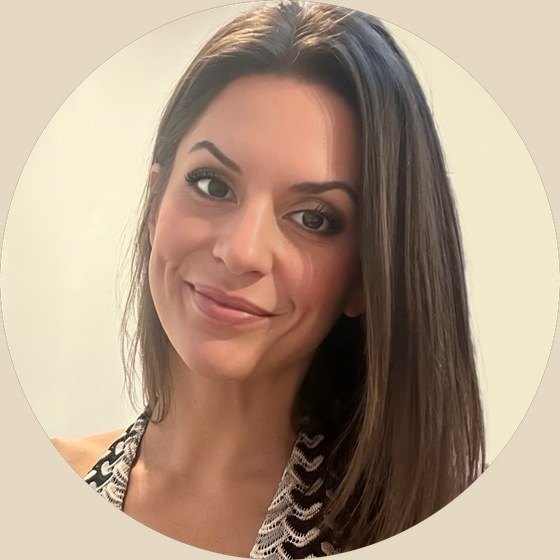
Maria Long
Founder & End-of-Life Advisor
Eighteen years planning for C-suite and Fortune 500 clients, where every moment is accounted for. I bring that expertise to the part of life most people leave to chance, so yours won't be.
Your death.
Let me handle the details. You choose who's there, what it looks and sounds like, what gets said, and what you'll need once you can no longer ask. I turn your decisions into a private book for the people you trust.
Planning for a parent? Begin while they can still answer.
Start a private conversationFree · 15 minutes
Maria Long
Founder & End-of-Life Advisor
Eighteen years planning for C-suite and Fortune 500 clients, where every moment is accounted for. I bring that expertise to the part of life most people leave to chance, so yours won't be.
You may already have a will and an advance directive. Keep them.
They speak for your money and your medicine. This covers the human side, which no legal plan reaches.
Hospitals and hospice centers come with default settings: overhead lights, cold air, someone checking on you through the night. Much of it can be changed. Few people know to ask.
You picture this far off. It can arrive without warning: a stroke, an accident, a diagnosis that moves fast. What you want only counts if you said it while you still could.


Illustration of what can be changed. Drag to compare. I never share photos of a client's room.
The last days bring changes almost nobody is warned about, breathing that sounds like drowning, or a clear hour after days of sleep. My free guide explains five of them, with questions to start with.
Tap to read more.
Everything your will doesn't touch.
You decide all of it, and it goes in a bound book, so whoever's with you knows what to do.
You may still hear them. You can't answer.
Research suggests hearing is one of the last senses to go. Your body is shutting down, and you could be listening to people guess. Is the light too bright? Should we call anyone?
Now hear them say: Dim the lights. Put on your favorite song. Your friend is on the way.
That's the point. Nobody's guessing anymore.
Wherever it ends, it can still feel like yours.
At home, hospice nurses visit and then leave. The hours in between belong to whoever is with you. In a hospice center, whoever stays with you may sleep in a chair, sometimes for weeks. In a hospital, the overhead lights and visiting hours are set for the whole floor.
Each can be eased, if someone speaks up. We plan for all three.
Before you think you need to.
Ideally while you're healthy, when you can sit with a hard question for days.
If a diagnosis has arrived, we start now and move faster. Nothing is skipped.
We start where you are.
It's a conversation about your life right now: who's in it, and where you'd want to be when the time comes. You don't need to prepare anything.
If a question is too much that day, we set it aside. Nothing has to be decided in one sitting.
Six conversations. The rest is on me.
We meet in person or by video over a few months, around your calendar.
Then no one knows what you'd want. Yet.
The decisions fall to whoever is there: a friend, a nurse, a stranger with a clipboard. They'll do their best, working blind.
With the book, they won't be. Anyone who's there can open it and know you.
Yes. They still lead.
Your parent answers in their own words. You can sit in, and be there for the hard ones.
If their memory is slipping, we build it with the people who know them best.
The one thing I won't do is plan for someone without their yes, if they're able to give it.
You can give this to them as a gift. The book is still theirs.
There's room for all of it.
A priest and a rosary. A candle or a meditation. Nothing at all, or not sure yet. That's allowed too.
Whatever you choose is planned and honored exactly as you wish.
No. They answer to the law and the chart. I answer to you.
They cover your will and your care. The book covers the room.
It gets followed because someone's holding it.
Your doctors follow your directive. Your legal documents always come first, and the book works alongside them.
I walk your healthcare proxy through every page, so they can speak for you with it. A card goes up in the room, so every nurse and visitor sees your choices the moment they walk in. With your permission, I also work with your attorney, who decides how the book and your directive connect.
Fees are private, like everything else here.
Planning is one fee, and your first yearly review is included. Time at the bedside is separate, and limited. We'll cover all of it on our first call, which is free. If you'd rather see the numbers before you book, write to me and I'll send them.
Something else on your mind? Start a private conversation.
A nurse needs an answer now. The people around your bed don't agree,and you're the one person who can't tell them.So they choose. Then they spend years wondering if they got it right.
You can't take away their grief.You can take away the doubt.
I ask the questions and you take your time with them. The book is for whoever is with you, family or not. Minds change, and it should change with you.
The questions about your life are adapted from Dignity Therapy, developed by Harvey Max Chochinov. In a randomized trial, patients said it improved their quality of life and changed how their family saw them.Randomized trial · Lancet Oncology, 2011 ↗
It's physical for a reason. Nothing about it lives online, and the only copies are the ones you choose to hand over. Two are printed: yours, and your healthcare proxy's. More are available at cost. Where they live is your decision.
Start with one of these, or design your own.




Your card for the room matches.

Early or after a diagnosis, the work and the fee are the same. Your work is documented as we go, and it's always yours.
Every option comes with the evidence behind it, or a note that there isn't any. If it matters to you, it goes in the book.
End-to-end encrypted through Proton, never in email. Permanently deleted at your request. We sign an NDA before we begin, and it covers anyone who works with me.
I'm not a lawyer or a clinician. When a question falls outside my work, I'll refer you to a trusted specialist.
No client stories, no testimonials. Who I work with stays private, even after you're gone. What happens in that room belongs to the people in it.
Nothing of yours is stranded. You and your healthcare proxy already hold your book, and your records are released or permanently deleted exactly as you instructed. A successor is already named, under the same NDA. Whether she continues is yours to decide, not mine. If you'd rather stop there, whatever you haven't used comes back.
Planning is a conversation at a time. This is not.
Up to twelve hours a day at the bedside, and reachable around the clock. Whoever is keeping watch gets relieved, so they can sleep and go home for a night. Everything you asked for actually happens, because the person beside you knows what it was.
My cap is two households at any given time. That number will not grow. If both are spoken for, you can choose to have a vetted support person attend, and I stay close by phone and video.
Nobody holds a place while they're healthy. Once the picture is knowable, which means hospice enrollment, the turn to comfort care, or a doctor giving a prognosis in months, you or your proxy can claim a place and I hold it from then. A client with a prognosis comes before one without. Priority isn't for sale.
Your book records who can send for me. When the time comes, call early. You won't be too soon.
A starter guide to the questions worth answering while they're still hypothetical. Six minutes. There's nothing to sign up for. If it's useful, use it. If you want to send it to someone, send it.

They mean to. They start, it gets heavy, and they set it down.
That isn't a failure of character. These questions are hard to face alone, and nothing forces the issue until something does.
Sitting across from someone trained to ask is what gets it finished. I studied journalism, and the craft is the same: ask the question and get the answer down exactly as it was said.
Start smaller than you think. The guide has a first page of six questions. Answer one of them, and you've started.
Founder & End-of-Life Advisor
Throughout my career, I've curated Formula 1 weekends, invitation-only AI summits and dinners for C-suite executives, private luxury travel for ultra-high-net-worth clients, and global events for one of the world's largest technology companies. My job has always been to see what's coming before anyone else does and quietly take care of it. It still is.
Early in that career, my husband died in hospice at 31. I was 28. I slept in a two-person chair beside his bed for months, guessing every day whether the room was too loud or too quiet, with no way to ask. Nothing had been planned. Not the light, not who should be there, not what he would have wanted said. I've spent the years since learning what that room needs, and why almost no one prepares for it.
This practice is the result: the care I've built a career on, turned toward the one occasion that gets none.
I've sat in that chair, and I know how to plan a room.

The first conversation is free and takes 15 minutes, by phone. We'll talk about whether this is right for you, and I'll walk you through fees.
Say it while it's still yours.I'll put it on paper, so at the end, you're still the one being heard.
Book a free 15-minute callOr write to me. I answer every message myself, and I won't chase you if you go quiet. Even one question is reason enough.
Email me